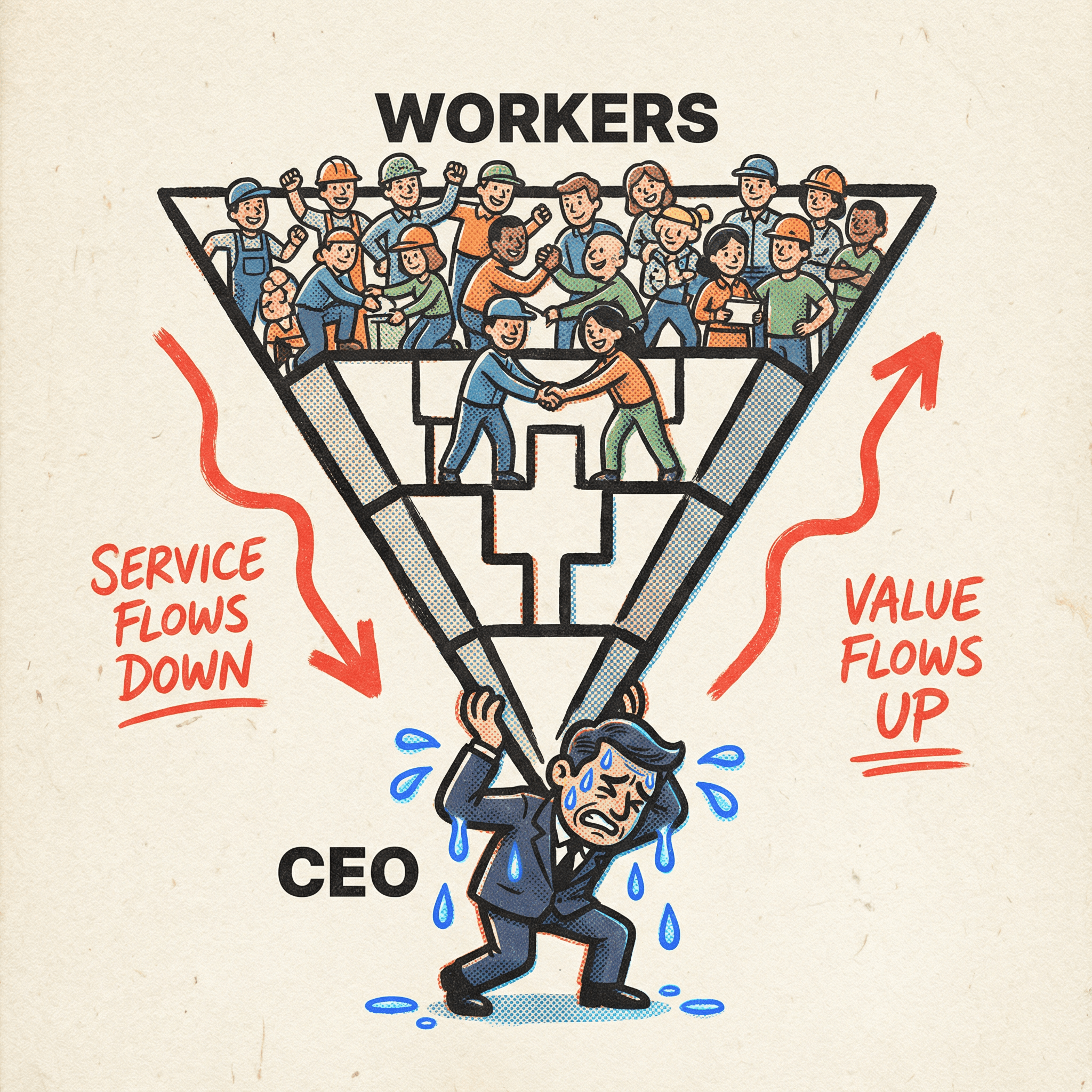
We frequently observe a disheartening contrast in the modern workplace where the individuals who build, create, and serve take home modest wages, while those who sit in distant offices earn the highest rewards. This disparity creates a profound sense of imbalance and unfairness. To remedy this, we must fundamentally reimagine the role of the executive, shifting the focus from prestige to presence. True leadership demands an intimate understanding of the labor that generates value. We propose a management philosophy where the privilege of a high salary carries the mandatory responsibility of daily, ground-level engagement. By stripping away the layers of separation between the CEO and the janitor, we restore dignity to the work itself. We aim to transform the executive from a mysterious figure into the most approachable person in the building, someone who knows the reality of the business because they live it every single day. This approach ensures that compensation aligns with contribution, and those who do the heavy lifting receive the respect and attention they so richly deserve.
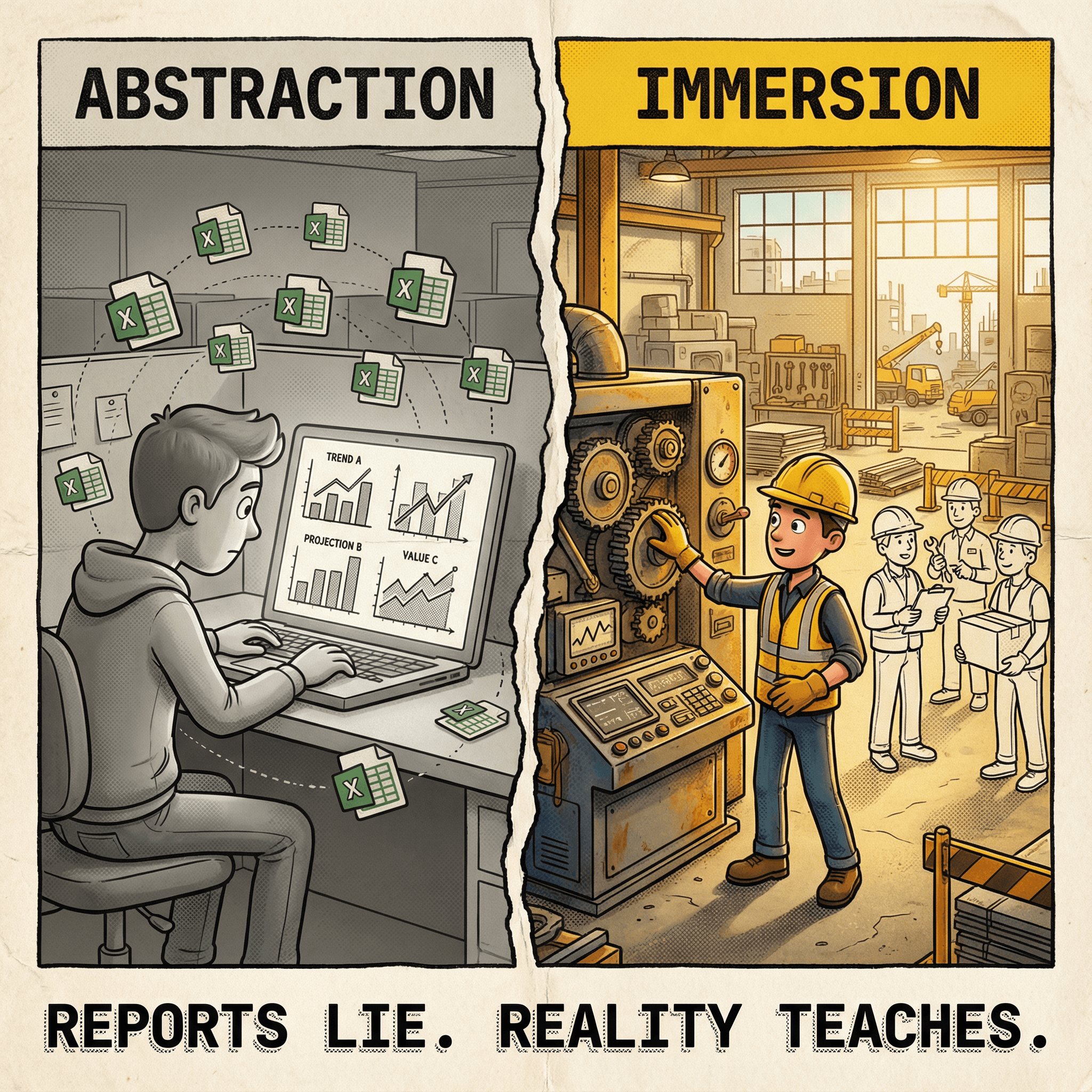
Many organizations suffer from a learning style that relies heavily on distance and abstraction, preferring sanitized reports over raw reality. Executives often consume data through spreadsheets and presentations, mistakenly believing this proxy information provides a complete picture. However, this detached method misses the friction, the frustration, and the nuance of the actual work. To truly understand the business, leaders must embrace a multimodal approach to learning, one that blends observation with active participation. Just as a student learns physics better by touching the equipment, a CEO learns about the company by walking the factory floor and handling the customer service calls. This immersion reveals the hidden obstacles that reports obscure, such as a slow computer system or a broken tool, allowing for decision-making that is sharp, empathetic, and grounded in truth. By physically placing themselves in the operational environment, leaders gain a wisdom that charts and graphs fail to convey, bridging the gap between strategy and execution.
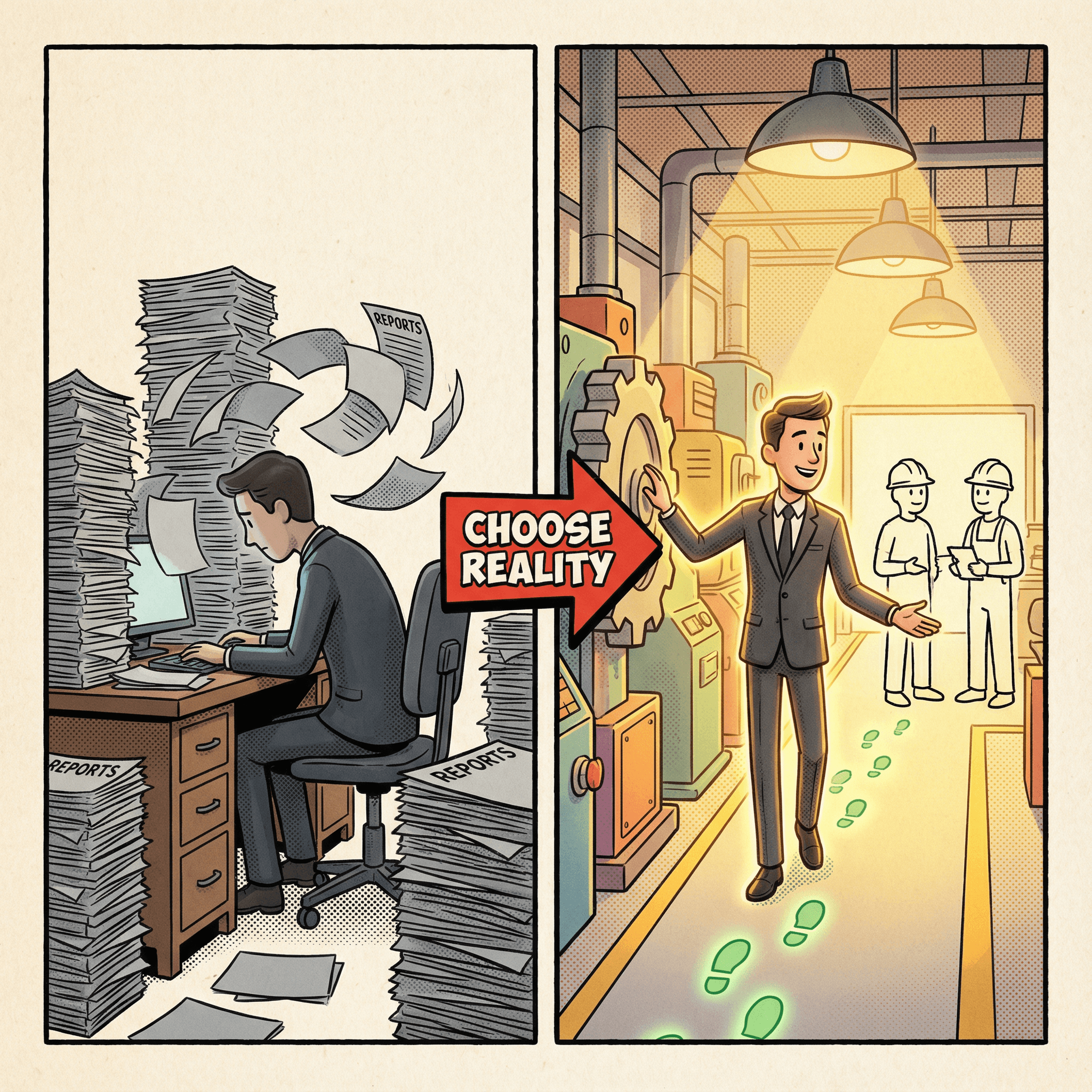
To operationalize this philosophy, we introduce the concept of the Mandatory Daily Field Tour. Every single morning, before the strategic meetings commence and the emails dominate the schedule, the leadership team must dedicate a significant block of time to traversing the operational landscape. This practice ensures that the primary input of the day comes from the reality of the business rather than a curated agenda. The executive visits the warehouse, the server room, the production line, or the front desk, observing the flow of work and the condition of the equipment. This consistent, physical presence sends a powerful message that the core operations matter more than the boardroom discussions. It transforms the executive from a distant overseer into a tangible, knowledgeable partner in the daily mission. By making this tour a non-negotiable habit, we ensure that the leader remains perpetually connected to the pulse of the company, seeing the problems and the victories as they happen in real time.
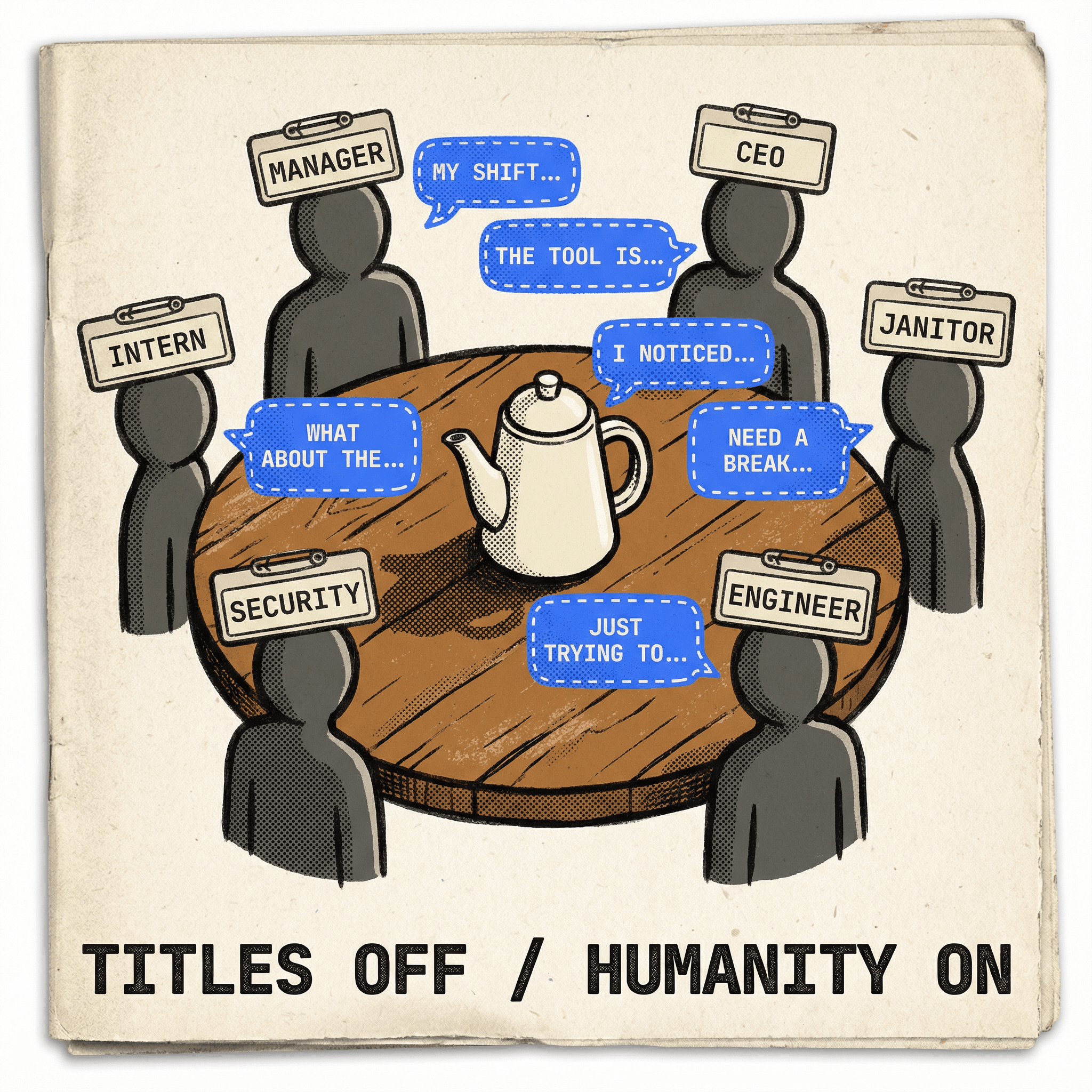
Beyond mere observation, deep understanding requires genuine human connection and the dissolution of hierarchy. We advocate for a daily "Coffee and Connect" hour where titles fall away and humanity takes center stage. In common spaces like break rooms or cafeterias, leaders and staff share meals and conversation as equals. This time belongs to listening, providing a platform for the social and auditory aspects of organizational health. Employees share stories, frustrations, and ideas that formal channels often stifle or filter out. For the leader, this interaction builds emotional intelligence and empathy, validating the workforce's contribution and dismantling the intimidation factor that silences valuable feedback. When a CEO knows the name of the staff member on the night shift and understands their specific challenges, policies become humane and practical. This daily ritual of availability proves that the leader serves the people, fostering a culture of trust and mutual respect that creates a truly unified team.
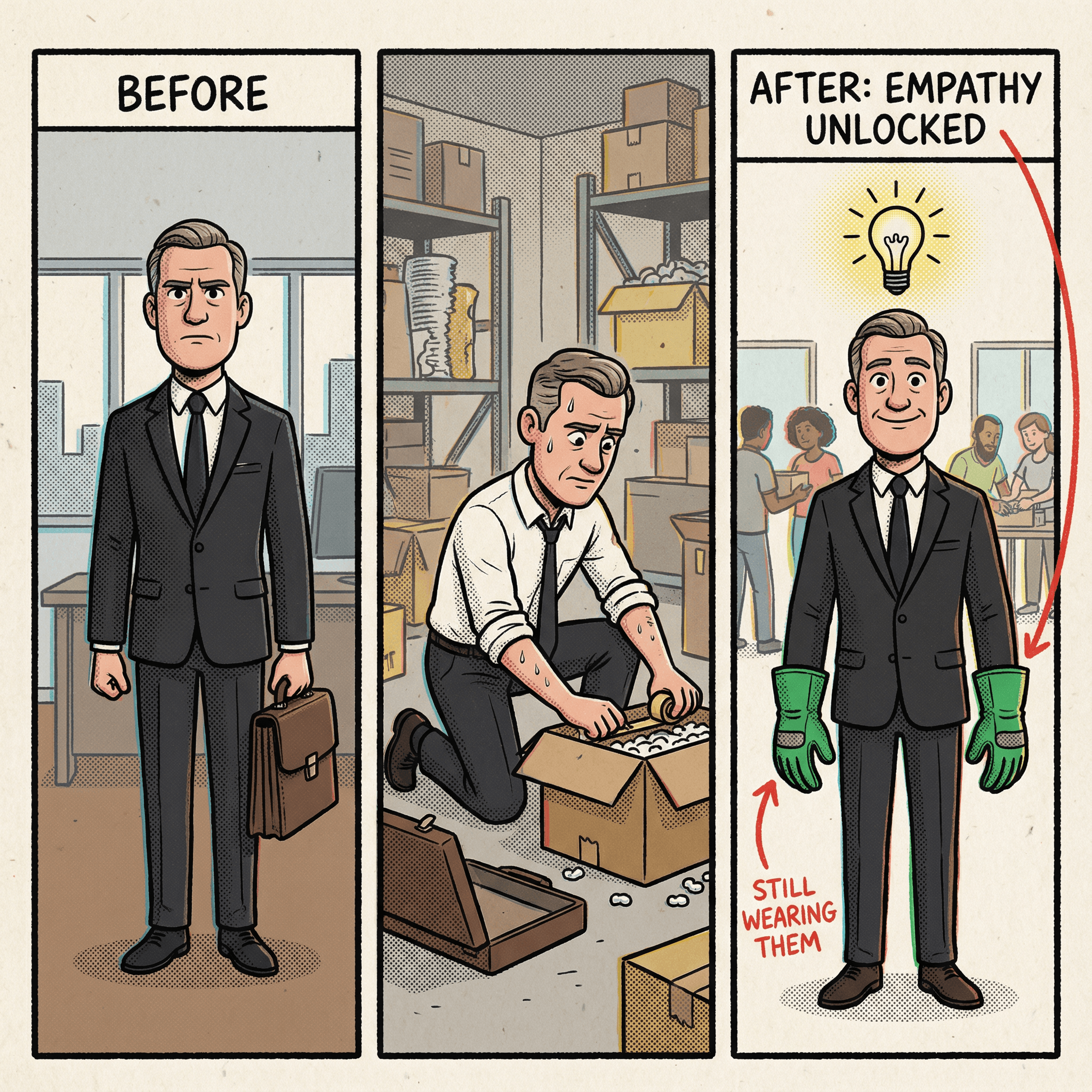
We also encourage direct participation in the work itself through a "Walk a Mile" initiative. Executives should frequently step into the shoes of their teams to experience the job firsthand. Answering a support ticket, packing a shipping box, or cleaning a workspace provides a kinesthetic learning experience that no presentation can rival. This principle ensures that decision-makers feel the weight of their choices. If a new procedure slows down data entry, the CEO experiences that frustration personally and immediately desires to fix it. This shared struggle builds immense credibility and solidarity. It proves that the high salary comes with a heavy responsibility to understand the difficulty of the labor that generates it. It aligns the incentives of the leader with the well-being of the doer, ensuring that efficiencies improve the worker's life rather than just the company's bottom line. By doing the work, the leader earns the right to lead.
This approach challenges the rigid, "rote learning" habits of traditional management, where success is measured solely by quarterly figures and distant metrics. Instead, we value the holistic health of the organization and the satisfaction of its people. By enforcing these daily interactions, we create a feedback loop that is immediate, honest, and effective. It replaces the pressure of performance reviews with a culture of continuous improvement and support. Issues find resolution faster because the decision-maker sees them immediately and understands their impact. The environment shifts from one of judgment to one of collaboration, where everyone acts as both a teacher and a learner. The worker teaches the CEO about the process, and the CEO empowers the worker with the necessary resources. This dynamic creates a learning organization where adaptation happens daily, and everyone feels invested in the collective success of the enterprise.
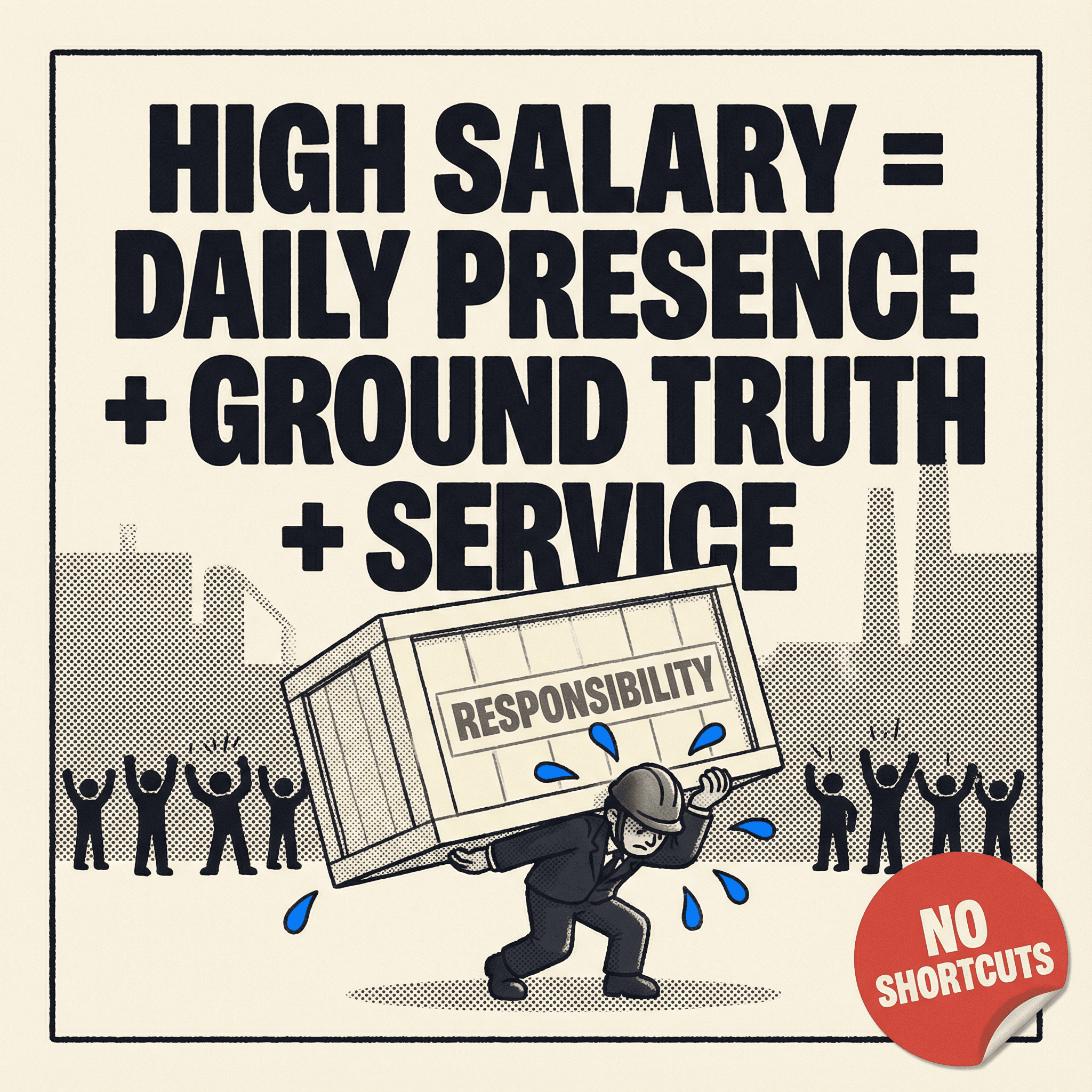
Ultimately, this system redefines the very meaning of earning a premium wage in a corporate setting. The justification for higher compensation ceases to be about status or past credentials and becomes entirely about service and responsibility. The leader serves the team by removing obstacles, understanding their reality, and valuing their time above all else. This structure creates a company where fairness prevails, and the "upper level" acts as the "support level," upholding the people who create the actual value. By making approachability and field presence mandatory, we ensure that the heart of the company—its workforce—remains the focus of every strategic move. This is how we build a business that is profitable, equitable, and deeply human, proving that the best management system is one where the leaders work the hardest to support those who do the work.